At Carbon Retirement, we have just published a short piece of research into the efficiency of carbon offsetting through the Clean Development Mechanism, . It shows that for every
- Author: admin
- Published: Aug 28th, 2008
- Category: Carbon Market News
- Comments: None
US DOE Team to Monitor Carbon Sequestration Project Using Underground Apparatus
While Canadians debate carbon tax and Aussies fight over the emissions scheme, the US Dept of Energy is taking a shot at the controversial carbon sequestration plan. The , which is a part of the DOE, has set up sophisticated underground apparatus to monitor CO2 injected for an oil recovery program.
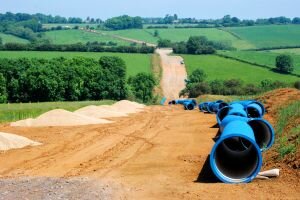
Apart from being a step towards large-scale sequestration projects, the current study will also assist in evaluating the type of apparatus required to ensure secure storage of carbon dioxide. Approximately around 10,000 feet into the ground every year for this sequestration research.
Although CO2 injection isnt that new an approach for , what needs to be tested largely is the safety of the whole process, especially the safety of underground water resources from being contaminated by the injected gases.
- Author: admin
- Published: Aug 28th, 2008
- Category: Carbon Market News
- Comments: 1
New Technology to Tell Carbon Footprint Using GPS Mobile and Enable Competition with Facebook Friends
Have you ever wondered which driving path you should take to minimize your environmental impact? Or do you know how much exposed you are to GHG emissions when you jog in the local park? A couple of eco-conscious researchers are now going to let you learn that by downloading software on your GPS mobile.

UCLA Professor Deborah Estrin is working with her colleagues on this CENS project, which will give you some sense of your environmental responsibility through its . These daily reports will tell you how much pollution you cause while you drive and what quantity of harmful gases you inhale during your healthy walks.
- Author: admin
- Published: Aug 18th, 2008
- Category: Carbon Market News
- Comments: None
Soils Have Limited Carbon Sequestration Capacity: North American, German Researchers
Two separate studies conducted by American, Canadian and German Researchers show that when it comes to sequestering carbon. It has been known for quite some time that plants absorb CO2 from the surroundings as they grow and process that carbon into their tissues. Upon a plants death, the carbon gets amalgamated into the soil and remains stored there with soil particles.